

TeamGenius High Performance Combine: The Future of Evaluations
Recruiting Ready Reports
150+ Data Points
Human Powered Health
The Challenge
Youth sports directors and coaches across all sports face a critical challenge: how do you objectively evaluate athlete potential and postion them for recruiting success? Before the TeamGenius High Performance Combine, talented multi-sport athletes entered the recruiting process at a significant disadvantage – lacking the objective performance data that college programs increasingly demand.
Athletes had no way to benchmark themselves against normalized data to see where they truly ranked among their peers. Without quantifiable metrics, proving improvement or showcasing athletic excellence to college coaches and club coaches was nearly impossible. Parents and athletes were making decisions without understanding their competitive positioning.
The Solution
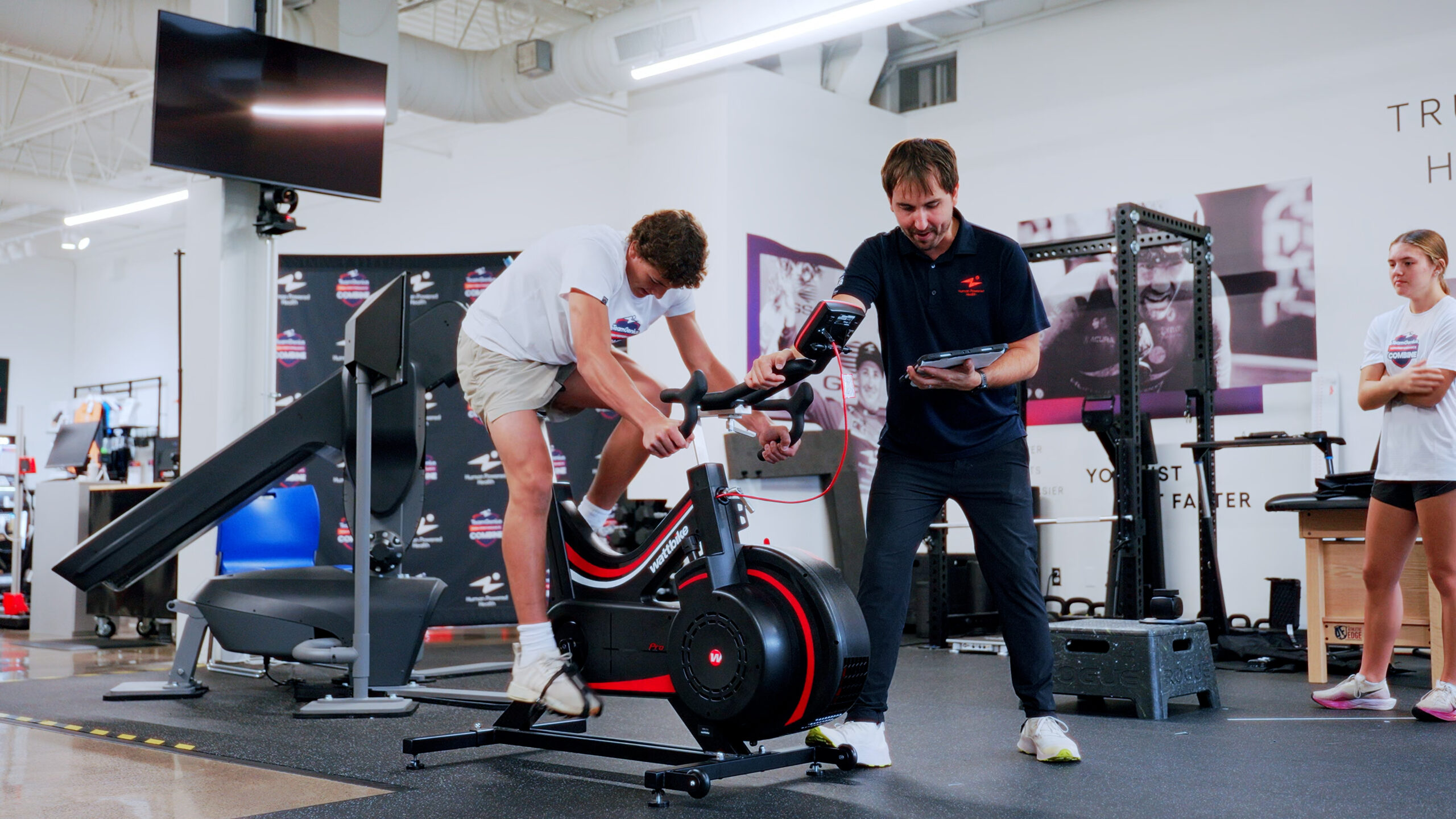
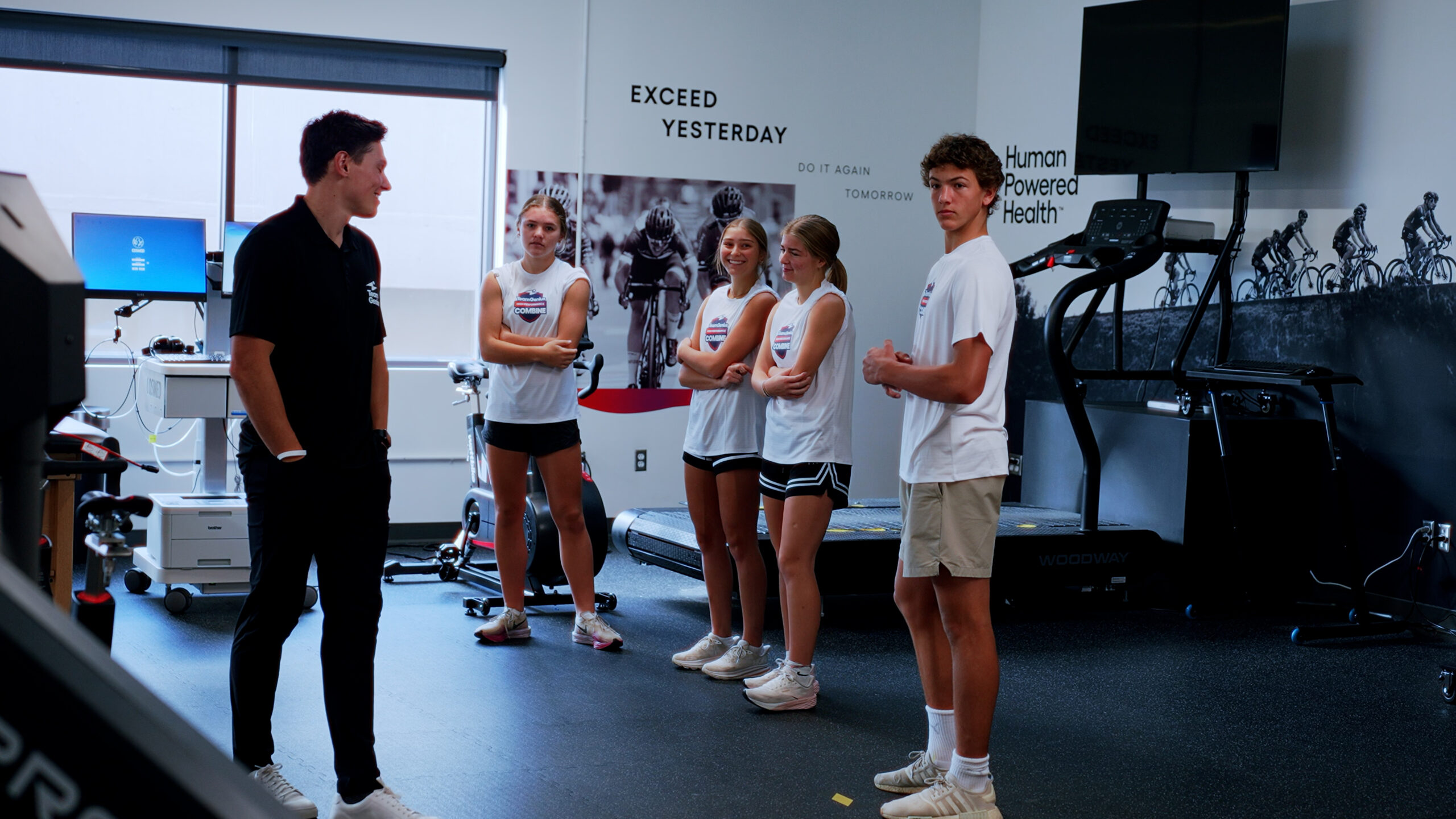
TeamGenius partnered with the Human Powered Health Performance Lab in Edina, Minnesota to deliver professional combine testing that serves athletes across all sports — basketball, soccer, lacrosse, volleyball, hockey, baseball, and beyond.
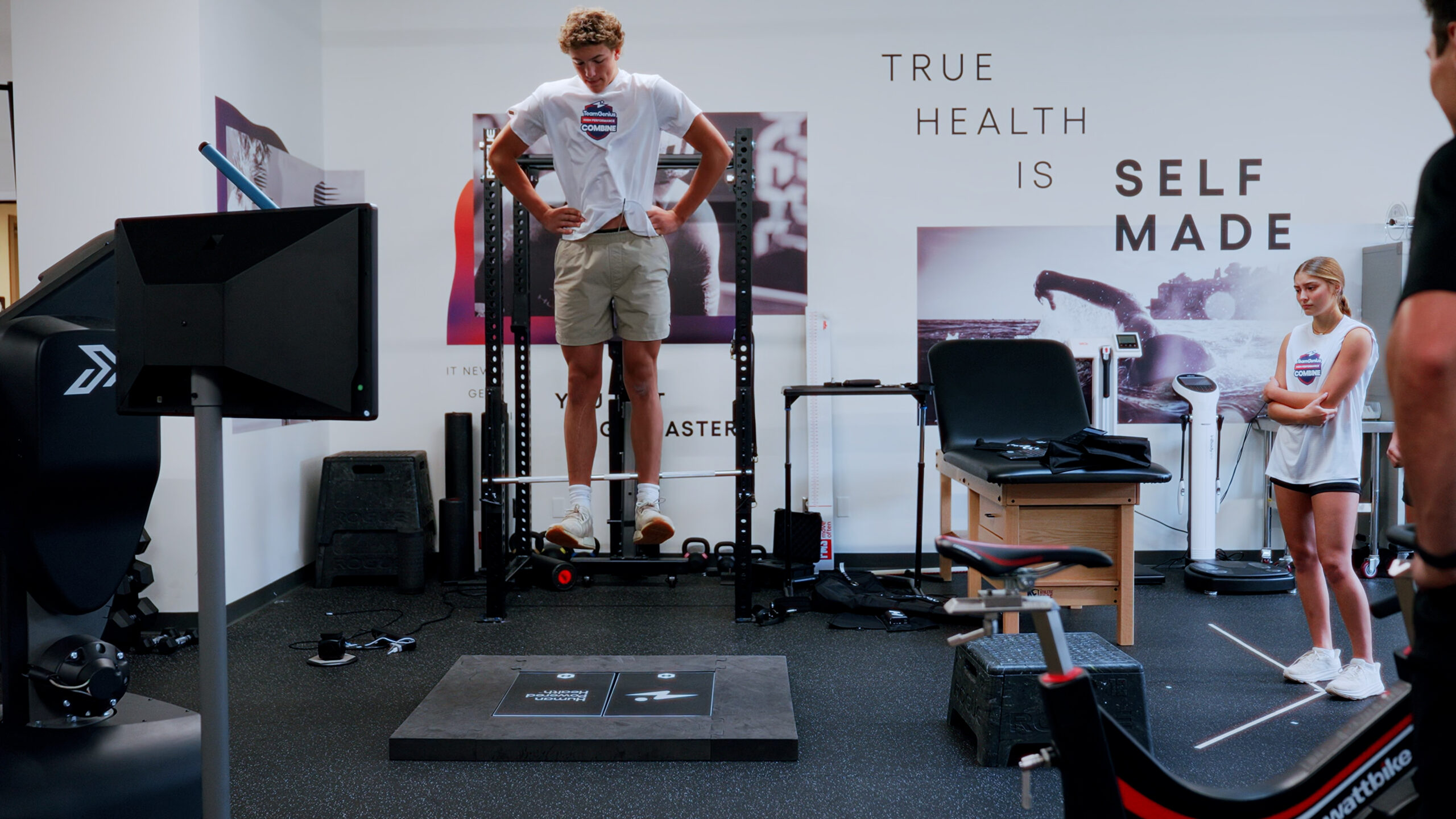
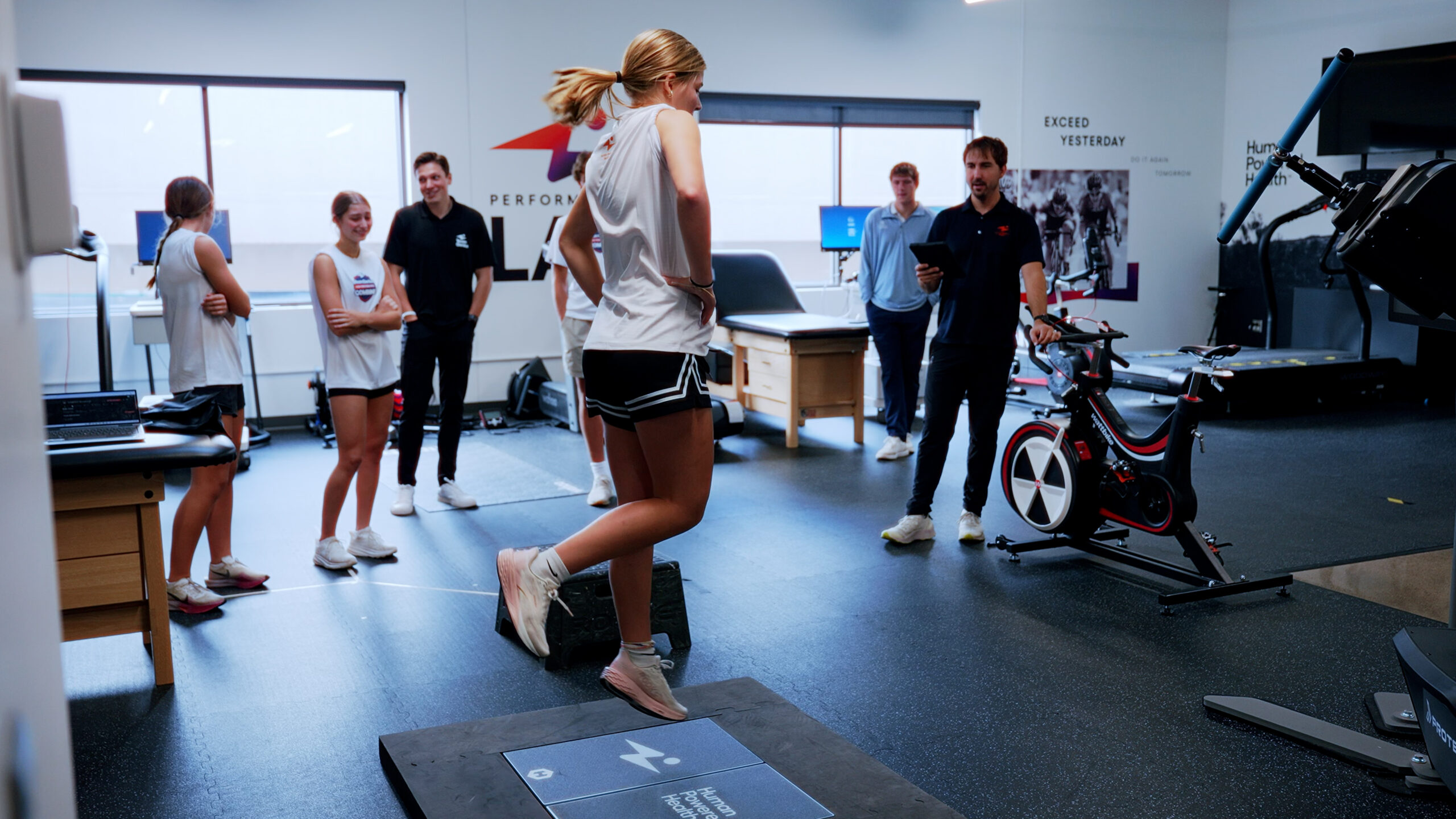
The High Performance Combine featured seven elite-level assessments mirroring what college and professional combines use:
Anthropometric Measurements: Height, weight, and wingspan to establish baseline physical metrics.
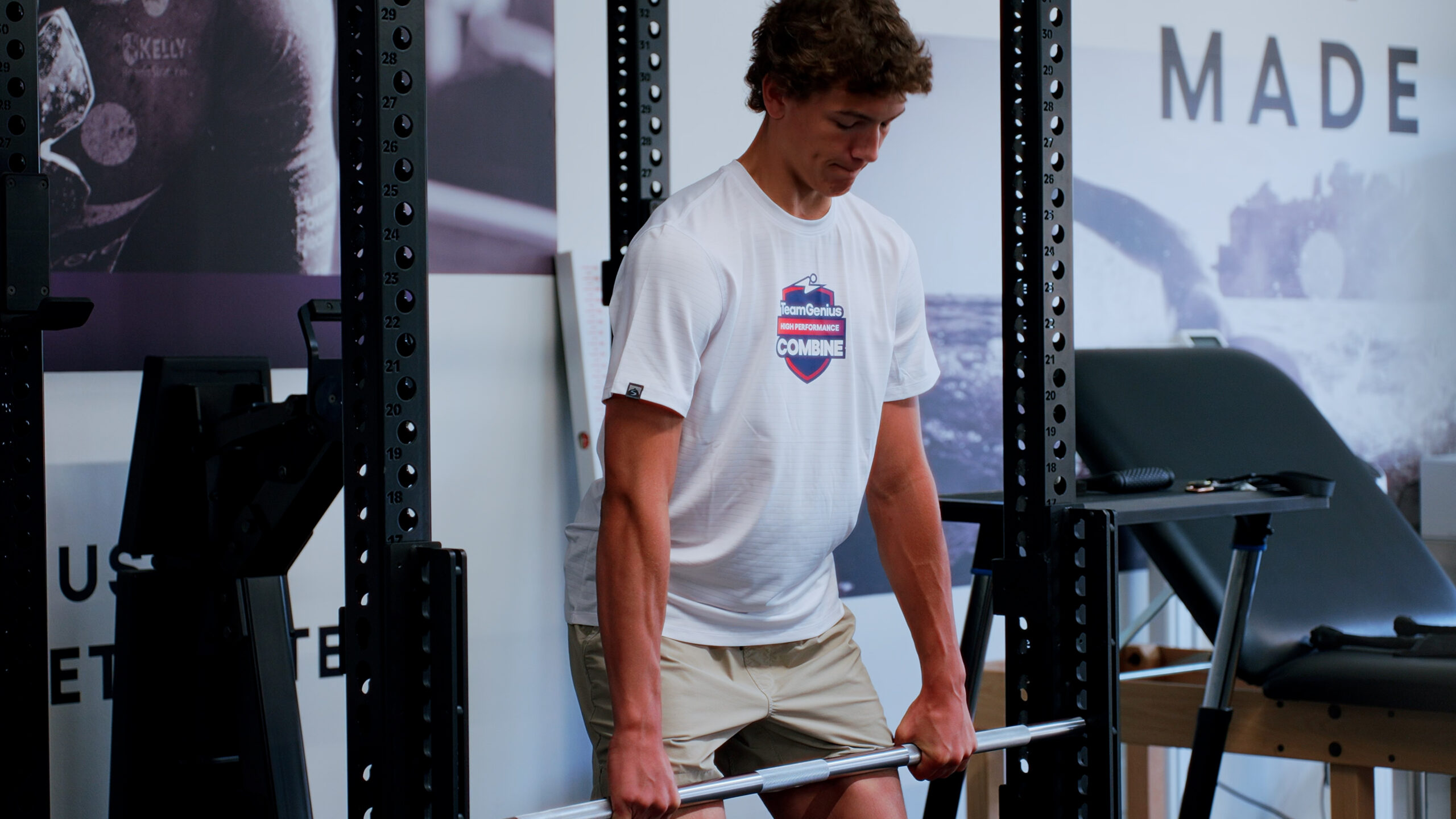
Power & Strength Testing: Force plates measured explosive power and jump performance. Mid-thigh pull assessed maximal strength and rate of force development. TruStrength evaluated functional strength across multiple movement patterns.
Metabolic Assessment: Wingate testing measured anaerobic power and capacity — the gold standard for high-intensity performance evaluation.



The Game-Changer: Normalized Benchmarking
Every athlete received a shareable player report cards to send to scouts, trainers and coaches. We also had the Human Powered Health Physiologists give them pesonalized feedback to guide their training and evolpment as they contiue to chase their goals.
This normalized data answered the critical question every athlete and coach needed: “Where does this athlete actually rank and how do they improve?”
"In today's world, the path to the next level changes every day. The easiest way to ensure you're continuing to develop is through verifiable, advanced testing conducted by elite coaches. The future path for high school athletes is here now. We're glad to be apart of it."
- Gabe Malinski, TeamGenius Evaluation Specialist
The Future of Athlete Evaluation
The TeamGenius High Performance Combine represents where youth sports is heading. Specifically, towards objective, data-driven athlete development that replaces guesswork with quantitative testing and measurable results.
Recruiting in the Data Age
College programs increasingly demand objective performance metrics during the recruiting process. Athletes who can present concrete data stand out in a crowded recruiting landscape. For example, they share percentile rankings in force production, anaerobic capacity scores, and normalized benchmarks.
The combine format gives young athletes the same professional evaluation tools that college and professional scouts use. Creating recruiting conversations are based on facts rather than subjective opinions. The combine athletes gained unified performance profiles that demonstrate their comprehensive athleticism. The normalized data revealed which athletes already possessed college-level measurables years before traditional timelines, allowing fro earlier and more strategic preparation.
Training with Purpose and Precision
Quantitative testing transforms training from subjective observation to targeted programming. For instance, force plate data can reveal asymmetries invisible during practice. This allows athletes to address patterns before they led to injury.
Athletes now have quantifiable metrics to measure improvement over time. This creates documented trajectories that prove their development was trending upward in measurable ways.
Elevating Program Value
For athletic directors, quantitative testing provides the evidence needed to demonstrate program effectiveness. They can share this with administrators, parents, and stakeholders. For example, when you can show that your athletes improved from an average 62nd percentile to 78th percentile in power output over a season, you have concrete proof of program impact.
Furthermore, the ability to identify which athletes have Division I, II, or III measurables before recruiting begins transforms program planning. It also improves resource allocation. Understanding which athletic qualities rank lowest across your program informs exactly where to invest training time and resources for maximum impact.
As youth sports continues to evolve, programs that embrace quantitative athlete evaluation through professional testing will lead the way. Ultimately, they’ll attract motivated families who understand the value of objective data in recruiting, training, and long-term athletic development.
Get Started Today!
Free for 30 days and up to 20 players.