

A great defensive end is a franchise player. They collapse pockets, set the edge, create turnovers, and change the outcome of games. But they don’t build themselves—they build through deliberate, position-specific work. Whether you’re developing future pass rushers at the youth level or fine-tuning elite technique at the high school or club level, defensive end drills are the foundation of a strong pass rush and a physical run defense.
In this guide, we’ll cover the essential drills that build elite DE skill: explosive get-off, hand fighting dominance, pass rush move mastery, edge-setting toughness, and the conditioning that keeps these athletes dominant from the first snap to the fourth quarter.
What Makes an Elite Defensive End? The 5 Key Traits
Before we hit the drills, let’s define what we’re building. Elite defensive ends share five non-negotiable traits that separate all-conference players from the rest.
Trait 1: Explosive Get-Off
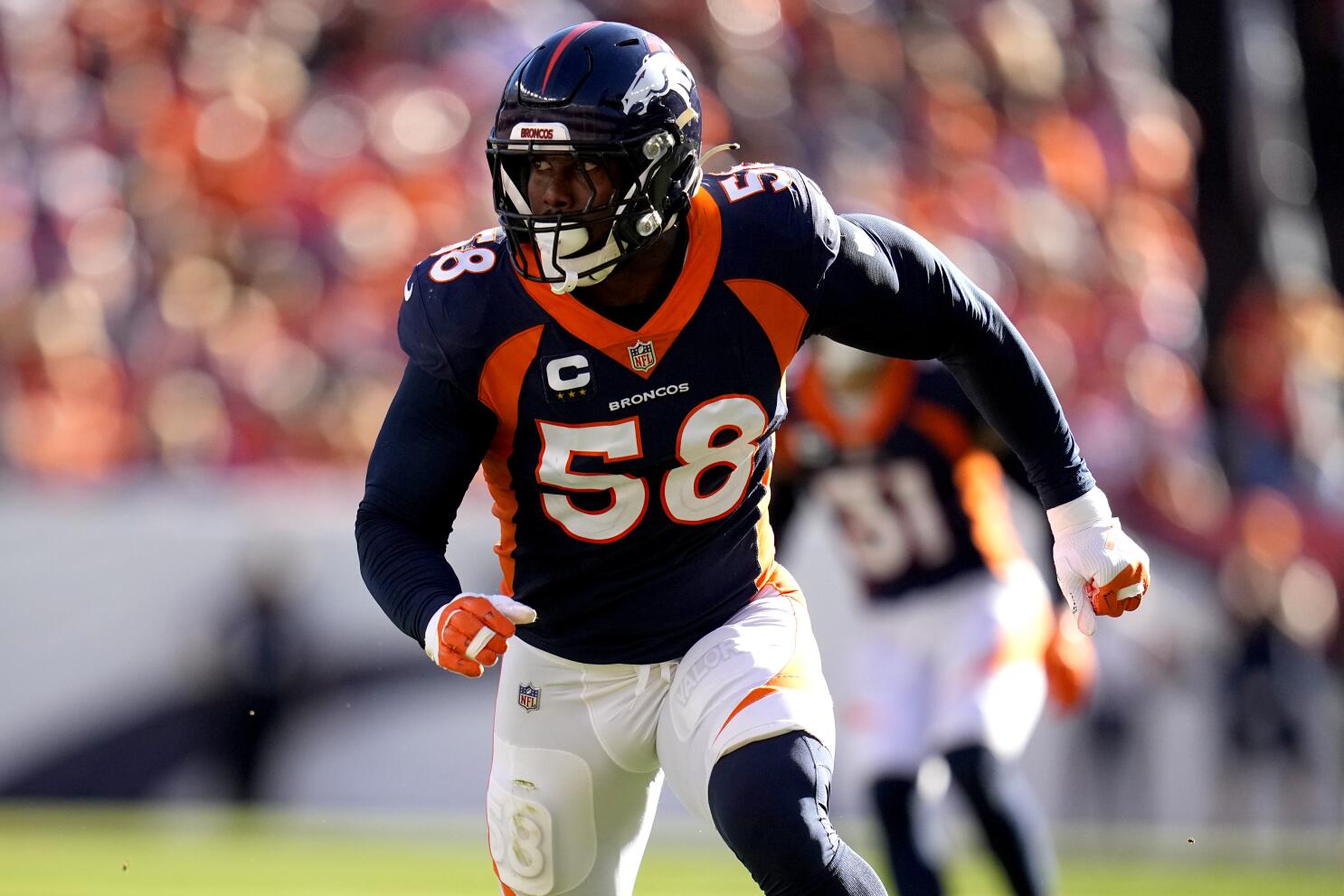
The snap happens, and the DE explodes forward in under 0.5 seconds with violent pad level and first-step quickness. This isn’t just speed—it’s explosive power combined with low pad level at contact. A slow DE, no matter how strong, gets controlled. Von Miller is known as having one of the most explosive “get-offs.”
Trait 2: Hand Fighting and Point-of-Attack Control
The DE wins at the hands. They shed blocks, create space, and control the blocker’s hands and chest. This is technical—proper hand placement, timing, and leverage matter more than raw strength.
Trait 3: Pass Rush Move Arsenal
One move is easy to block. Elite DEs have multiple counters: swim move, rip move, spin counter, bull rush with inside counter, long arm jab, and the ability to string moves together fluidly under pressure.
Trait 4: Gap Discipline and Edge Integrity
Against the run, the DE knows their gap, doesn’t get pushed past it, and collapses downhill with correct pad level. They set the edge so the linebacker can flow downhill clean.
Trait 5: Motor and Relentless Pursuit
The ball is 10 yards away, but the DE is sprinting to it. They don’t take plays off. This trait is physical and mental—it’s why some players get five sacks and others get ten with the same basic ability.
First-Step Explosion and Get-Off Drills
Your defensive ends live and die by their first step. A quick, low, explosive first step beats technique on day one and technique beats strength on day two. Here are the drills that build explosive get-off.
Drill 1: Get-Off Sled Drill
Set a blocking sled so the pad is chest-high. DEs line up in a three-point stance about two yards away. On a snap count, they explode forward into the sled with violent hands, driving it back five yards. Key teaching points: Get the pad level lower than the sled. Drive with your legs, not your arms. Explode through the pad, not into it.
Run this for 3 sets of 6 reps. This teaches pad level, explosive first step, and hand placement all at once. Film yourself. Watch the pad level.

Drill 2: Board Drill (Hand Placement and Pad Level)
Place an 8-foot board on the ground. DEs line up on one side, facing a blocker or coach on the other side who’s holding bags or a dummy. The DE’s feet must stay on the board as they win with their hands—lifting the blocker’s hands, creating space, staying low. This forces proper foot placement and prevents wild arms.
3 sets of 8 reps. The board is your teacher—it teaches discipline and technique. No bad reps allowed.
Drill 3: Mirror Agility Drill
Line up DEs in pairs, about 5 feet apart, facing each other. One player (the blocker) moves laterally or forward-backward in a random pattern. The DE mirrors their movement, staying low and maintaining hand position as if fighting off contact. This builds footwork, lateral quickness, and reaction time.
4 sets of 30-second rounds. The blocker sets the pace and direction. The DE must stay engaged and never let the blocker separate.
Hand Fighting Drills: Win at the Point of Attack
A DE who can control a blocker’s hands controls the line of scrimmage. Hand fighting isn’t dirty—it’s technical. Here’s how to build world-class handwork.
Drill 4: Hand Placement Bag Drill
Set up three heavy bags or dummies in a line, about 2 feet apart. DEs move laterally down the line, striking each bag with proper hand placement: open hands, quick strikes to the frame, creating separation. This is about speed and precision, not power.
Teach the ‘V’ of the hands coming together to create a wedge. One rep: lateral movement, strike, reset, next bag. 4 sets of 6 total bags. Film shows hand timing.
Drill 5: Hand Fighting Gauntlet
Set up two lines of coaches or players holding shields or bags, about 10 feet long, creating a tunnel. DEs walk through, fighting off each blocker with their hands while maintaining pad level and forward momentum. Coaches vary the intensity and angle of the shield.
The key: DEs use a swim move, rip move, or long arm jab at each shield without losing momentum. This builds hand work under fatigue. 3 sets of 5 reps down the tunnel.
Drill 6: One-on-One Shed Drill
A blocker (coach or veteran player) faces a DE at the line of scrimmage. The blocker engages, trying to control the DE. The DE must shed with proper hand placement, rip the blocker’s hands off, and create separation in under two seconds.
Start with stationary blocks (blocker doesn’t move), then progress to moving blocks where the blocker is trying to move the DE laterally. 5 sets of 3 reps. This is combat training—it builds muscle memory and competitive fire.
Pass Rush Move Drills: Speed, Power, and Counter
A one-dimensional pass rusher gets picked up by a veteran lineman. Elite DEs have moves and counters that keep blockers off-balance all game long.
Drill 7: Bull Rush Progression
DEs line up 2 yards from a heavy bag or dummy. On the snap, they accelerate forward into a controlled bull rush: violent pad level, arm drive, and forward momentum. Progression: First 2 sets are just the bull rush clean. Third set, have a coach or blocker lightly resist so the DE learns to stack power against resistance.
4 sets of 5 reps. The goal: drive the bag/dummy back 3+ yards with control and power. This builds the foundational pass rush move.
Drill 8: Swim Move Drill
Set a bag or blocker in place. DEs approach and execute a swim move: outside arm comes up and over the blocker’s shoulder in one explosive motion, creating separation. The key is the ‘swim’—the arm motion should be smooth, fast, and under control, not wild.
Progress from a bag to a passive blocker to an active blocker. 4 sets of 5 reps. Teach both sides: right-arm swim and left-arm swim.
Drill 9: Rip Move Drill
Similar setup. The DE engages the blocker/bag, then explodes the inside arm upward through the blocker’s chest with violent hand acceleration, creating separation. The rip move is more violent than the swim—it’s an inside counter that works when the blocker is trying to drive you laterally.
4 sets of 5 reps. Drill both sides and teach the timing: engage, feel where the blocker’s weight is, then rip through that space.
Drill 10: Spin Counter
DE engages the blocker straight up. If the blocker drives them back or to the side, the DE plants their inside foot and spins 180 degrees off the blocker’s frame, resetting low and ready to pursue. This is a counter to the blocker who’s controlling the first move.
4 sets of 6 reps, alternating spin direction. The spin must be tight, controlled, and followed by immediate pad level reset. Sloppy spins get you out of the play.
Setting the Edge: Run Defense Drills
Pass rush gets the headlines, but elite DEs stop the run first. Here’s how to build run-defense dominance.
Drill 11: Gap Recognition and Assignment Drill
Line up DEs in a defensive formation. Show them an offensive formation and call out their gap assignment (A, B, C-gap, or edge). They move to their gap with proper angle and pad level. Start stationary, then add offensive movement without contact.
This is teaching—reps build muscle memory. 3 sets of 10 snaps. The goal: instant recognition and assignment execution.
Drill 12: Fit and Squeeze Drill
A running back or blocker moves laterally along the line of scrimmage. The DE must maintain their gap, stay square to the line, and ‘squeeze’ the run lane by staying low and wide. They’re not necessarily tackling—they’re controlling space.
4 sets of 5 reps. Coach yells out random directions and speeds. DEs must react and maintain their position.
Drill 13: One-on-One Tackle Drill
A blocker tries to seal the DE (drive them away from the ball). The DE must defeat the blocker and make the tackle on a running back behind them. Teach proper tackle form: pad level, wrap, and drive. This combines run defense technique with tackle mechanics.
4 sets of 4 reps. Start at half-speed, progress to full-speed. Proper form every rep.
Conditioning Defensive End Drills Built for D-Line Demands
DEs play in space and cover a lot of ground. They need conditioning specific to the sport, not just running sprints.
Drill 14: Gap-to-Gap Pursuit Drill
Line up DEs on one sideline. On the whistle, they sprint across the field laterally (staying low), plant, and cut back to the other sideline. This mimics the lateral movement and change-of-direction demands of pursuit in space.
4 sets of 4 reps across the field. Each rep is 40+ yards of movement. This builds lateral conditioning and ankle strength.
Drill 15: Resisted Get-Off Ladder
Set up 8–10 blocking bags in a line. DEs perform explosive get-off into each bag (1-2 second burst), then move to the next. This is high-intensity, repeated explosion work that builds pass-rush stamina.
4 sets of 5 complete ladder runs. If the get-off slows down, the drill is over—we’re building explosive endurance, not just volume.
Drill 16: Pursuit Angles and Sprints
Have the ball carrier move to a spot on the field. DEs must take the correct pursuit angle (shortest line to the ball) and sprint there at full speed. Vary the angle and distance. This teaches proper angles under fatigue.
5 sets of 4 reps at different distances and angles. Film the pursuit angles—bad angles are just wasted speed.
How to Evaluate Defensive End Development Over a Season
You can’t improve what you don’t measure. Here’s how to track a DE’s growth.
Track First-Step Quickness
Film every practice. Measure (roughly) how quickly the DE gets off the ball and into the blocker. Are they faster than last week? This metric matters more than any number.
Count Hand Placement Wins
In 1-on-1 drills and competitive periods, count how many times the DE wins the hand fight on the first move versus having to chain moves. More first-move wins = better technique and toughness.
Review Pass Rush Efficiency
In team periods, count total pressure snaps and actual pressures (deflected or hurried QB). A DE with 40 snaps and 12 pressures is better than one with 40 snaps and 6 pressures, regardless of sack count.
Evaluate Run Defense Impact
Count tackles, but also count missed tackles and plays where the DE got sealed or pushed past their gap. Improved gap integrity and fewer seals = progress.
Monitor Motor and Effort
Watch for plays where the DE is 5+ yards from the ball. Are they still sprinting? Video doesn’t lie. Motor is coachable but measurable—track it.
Evaluate Your Defensive Players with TeamGenius
Track your DEs’ development with digital evaluation tools. Score pad level, hand placement, and pass rush moves in practice. Build player profiles with video clips, measurables, and ratings. Make recruiting and development decisions based on real data.
Frequently Asked Questions
NFL DEs do variations of all these drills—board drill, hand-fighting progressions, move chains, and 1-on-1 combat—but at higher speed and intensity. They add more specialized footwork drills, sled-based explosiveness work, and longer periods of competitive film study. The foundation is identical; the execution and speed are elite-level.
Start with the fundamentals: explosive pad level, hand placement, and footwork. Teach the bull rush first—it’s the base move. Then layer in the swim and rip moves against bags (no contact), then passive blockers, then active blockers. Don’t teach eight moves; teach three with mastery. Young players need simplicity and reps, not complexity.
Pad level. A low-pad DE beats a high-pad DE almost every time, regardless of other factors. Explosive get-off and low pad level are the foundation. Everything else—moves, conditioning, film study—is built on that base. If your DE is always going low and fast, they’ll develop everything else.
Board drill for hand placement and pad level. Get-off sled for explosive first step. One-on-one shed drill for technique and toughness. A competitive 1-on-1 or 7-on-7 drill under pressure. Score each on a 1–10 scale based on pad level, hand placement, effort, and gap discipline. Video the drills—you’ll see things in slow-mo you miss live.
Leave a Reply